
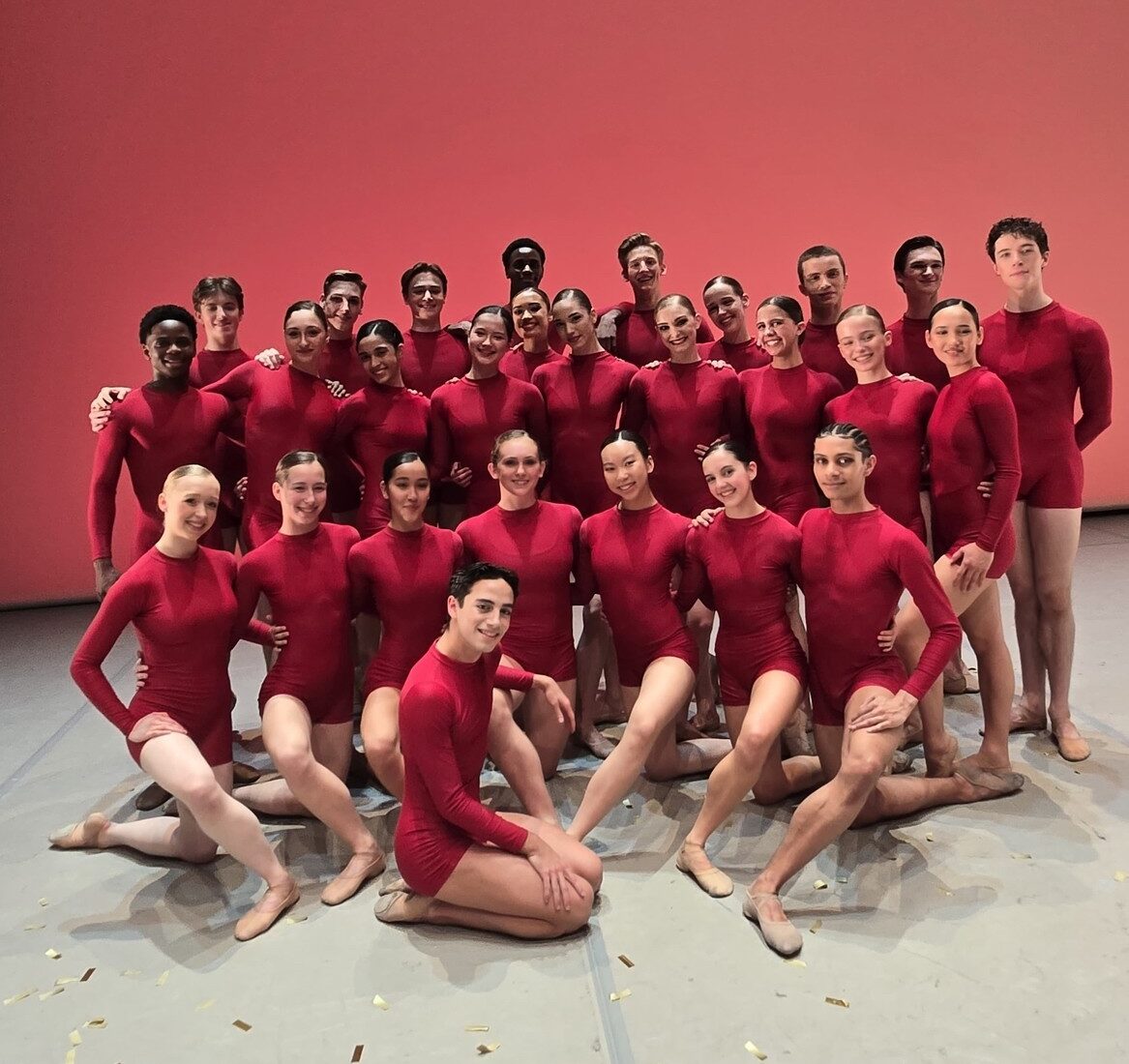
Boróka Kosaras, a student at the Hungarian Dance University (HDU), also took part in the choreography project of the Prix de Lausanne ballet competition. Angéla Kövessy’s student talks about her experiences in Switzerland and this wonderful opportunity in a short interview. According to reports from the scene, renowned choreographer Edwaard Liang particularly enjoyed working with her.
Two students from the Hungarian Dance University, Márton Balog and Boróka Kosaras, took part in the world’s most prestigious ballet competition, the Prix de Lausanne. Márton Balog competed in the junior category, while Boróka Kosaras worked in the Partner School Choreographic Project.
The Prix de Lausanne Partner School Choreography Project (PSCP) is an exciting professional opportunity in which students selected from the event’s partner schools learned and performed a unique, personalized choreography with a renowned choreographer as part of the competition program. The 2026 PSCP program was led by internationally renowned choreographer Edwaard Liang, artistic director of the Washington Ballet, who was also the winner of the 1993 Prix de Lausanne.
The internationally renowned ballet artist created an original, brand-new piece for the 27 participating dancers. The choreography was already a huge success at the Choreography Evening on February 4, and the same can be said about the Rising Stars performance. It is great that Boróka Kosaras, a Hungarian ballet student, was able to be a part of it all.
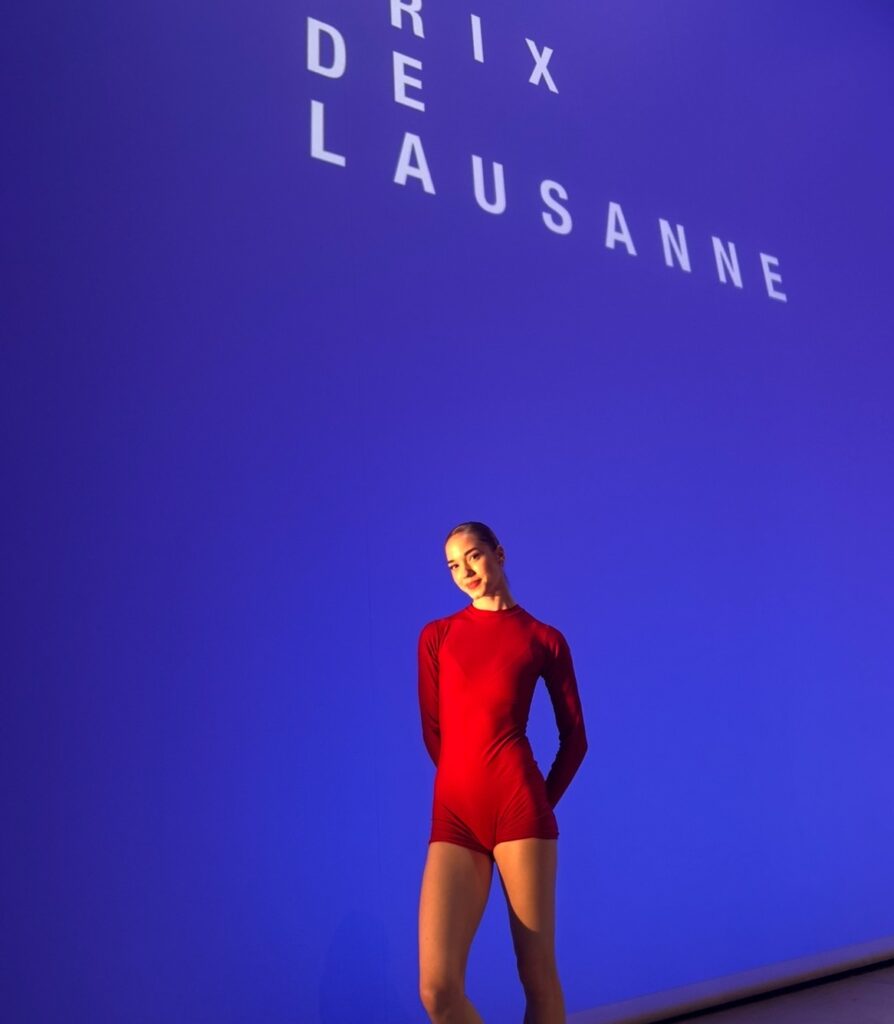
It’s a simple question, but maybe not: How was Lausanne?
Yes, it’s simple, because I felt great! Those 10 days were an experience of a lifetime for me. I was excited before the trip, but on the first day I felt completely relaxed and at home the whole time.
What would you say was your most defining experience?
We had to learn a 10-minute choreography in a very short time. We were in the theatre from morning till night. The three rehearsals a day were very demanding, but at least I got a taste of what it would be like to work in an adult company. I also gained stage experience, as we performed the choreography three times in front of an audience. It was a tremendous experience to work with such an excellent choreographer as Edwaard Liang.
What kind of company and team were you in?
There were 27 of us participating in this choreography project, but we bonded very quickly. We were together from morning till night and became like a family while working together. I’m sure we’ll keep in touch in the future.
What did you learn from your teammates?
Most of the team members were older than me, they already go to dance auditions, and they shared their experiences with me and gave me tips for the future.
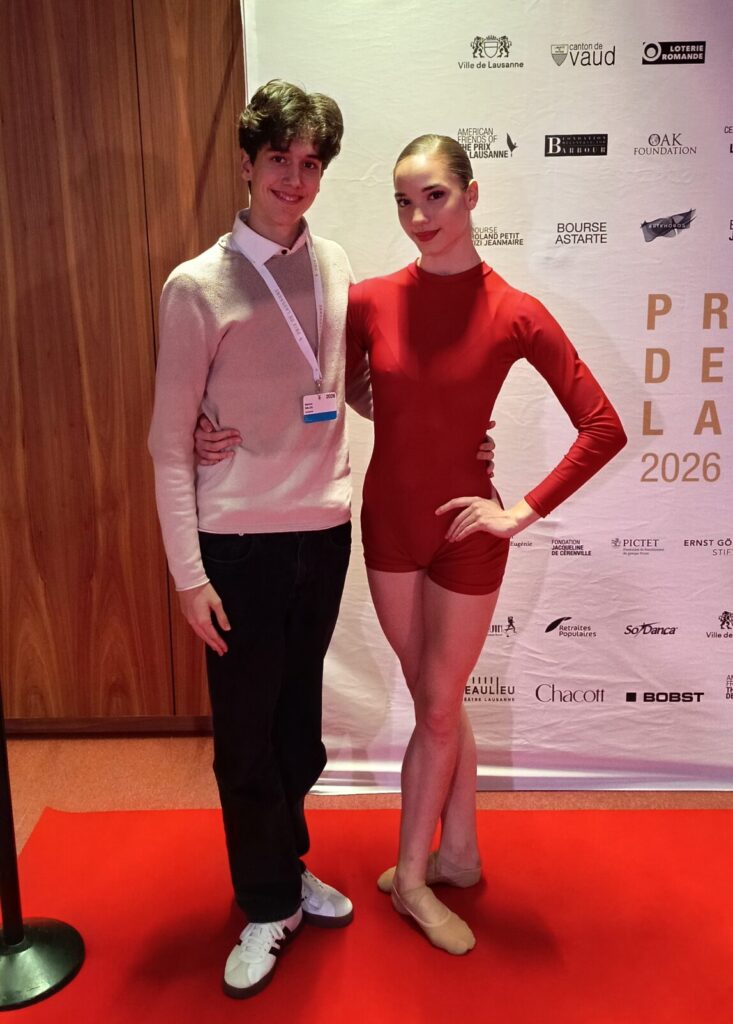
Boróka Kosaras with Márton Balog
If we are not just talking about the profession, what important experiences did you bring home with you?
I experienced self-reliance most strongly during my time abroad. I had to cope almost entirely on my own in a foreign country, in an environment that was unfamiliar to me. This was a challenge not only professionally, but also personally.
Was the work you did abroad different from what you do here?
We had a different teacher every day. For example, there was a French teacher who taught a completely different technique. It was interesting to learn about other styles.
The choreographer, Edwaarrd Liang, said that he had only worked with adults before, so he rehearsed with us as if we were professional ballet dancers. He had complete confidence in us!
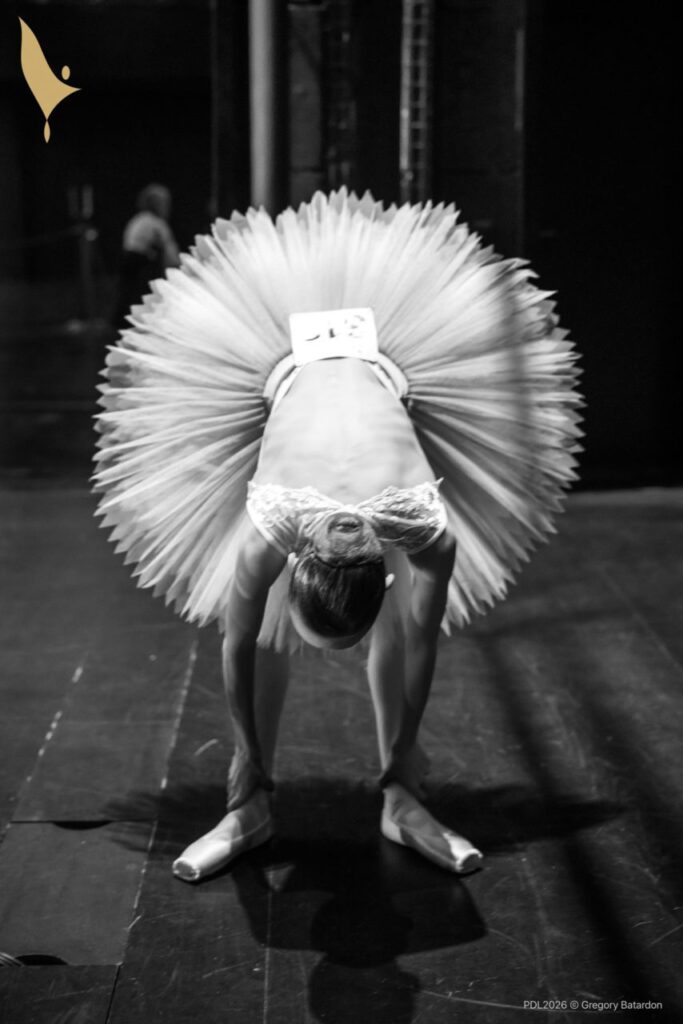
How important is language proficiency in a program like this?
Very important! We communicated with each other, the choreographer, the assistants, the Masters, and everyone else in English. There was one girl who didn’t speak English, and she was completely lost the whole time; the work was more difficult for her.
Boróka Kosaras concluded by saying that for her, and in her opinion for everyone else, this opportunity was not only a creative process, but also an opportunity for personal development.
“Thank you to everyone who made it possible for me to participate in this exciting professional opportunity,” said the HDU student.
We thanked her for her performance and, of course, for the interview.
Congratulations, Boró!