
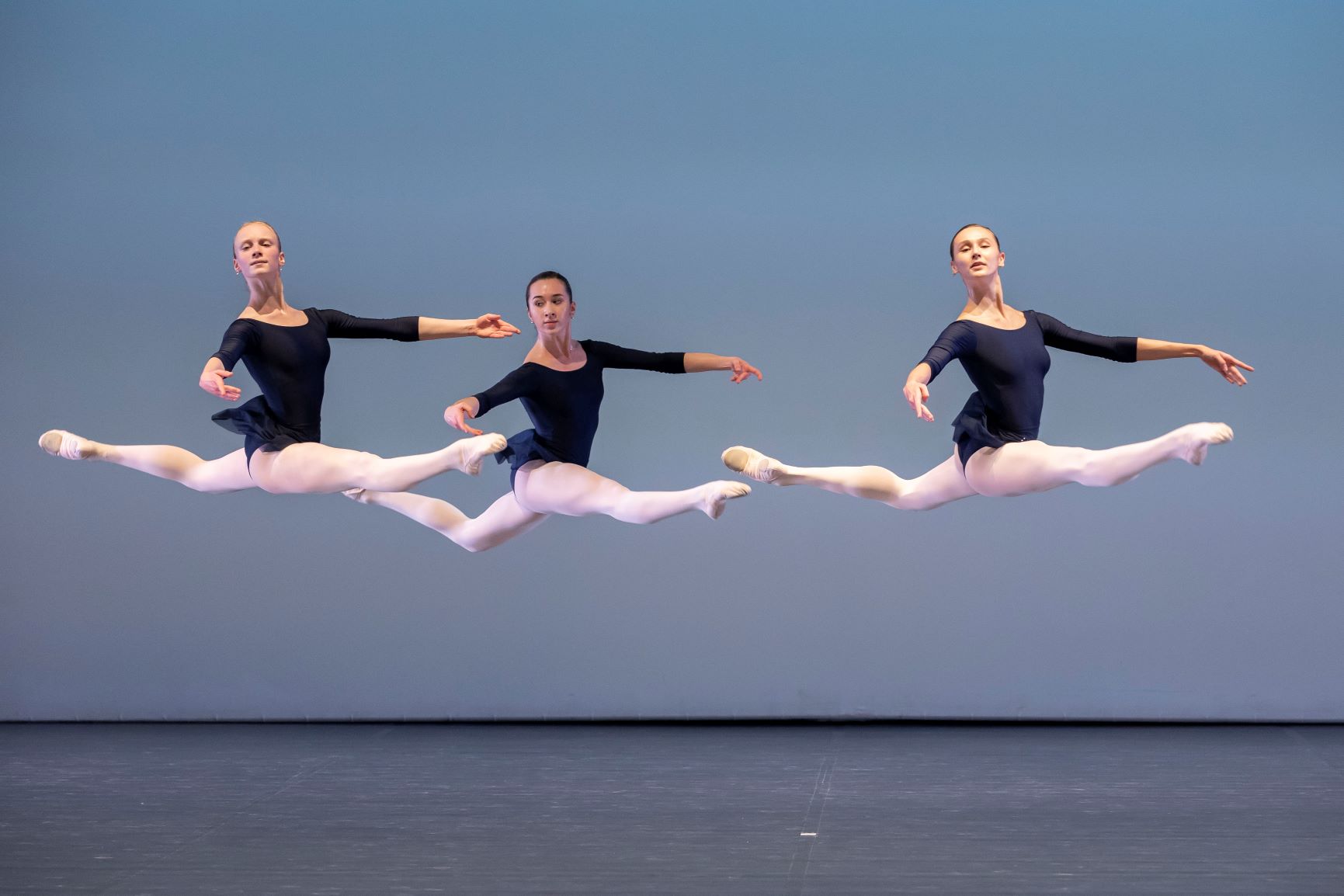
It was several decades ago when Dr. Ferenc Mády launched the Movement Biology course at the Hungarian Dance University (HDU), which at the time was still a college. Even then, it was already recognized – and today perhaps even more clearly – that dancers’ physical demands rival those of elite athletes. For this reason, it is especially important to have instructors who carry forward the initiative of Ferenc Mády and his predecessors at a high professional standard, teaching a subject that remains highly popular among students at the university.
“Medicine and medical science occupy a unique place in the life of dance. Here, we encounter practical science applied in the service of art… In education, it is primarily necessary to impart anatomical and physiological knowledge to students. At the basic level of instruction, the human body is presented as both the subject and the object of dance. This represents a level of anatomical teaching that poses no difficulty even for a 14–15-year-old, yet it presents the human body in accordance with scientific findings,” writes Dr. Ferenc Mády in the introduction to his work Dance in Medical Literature.
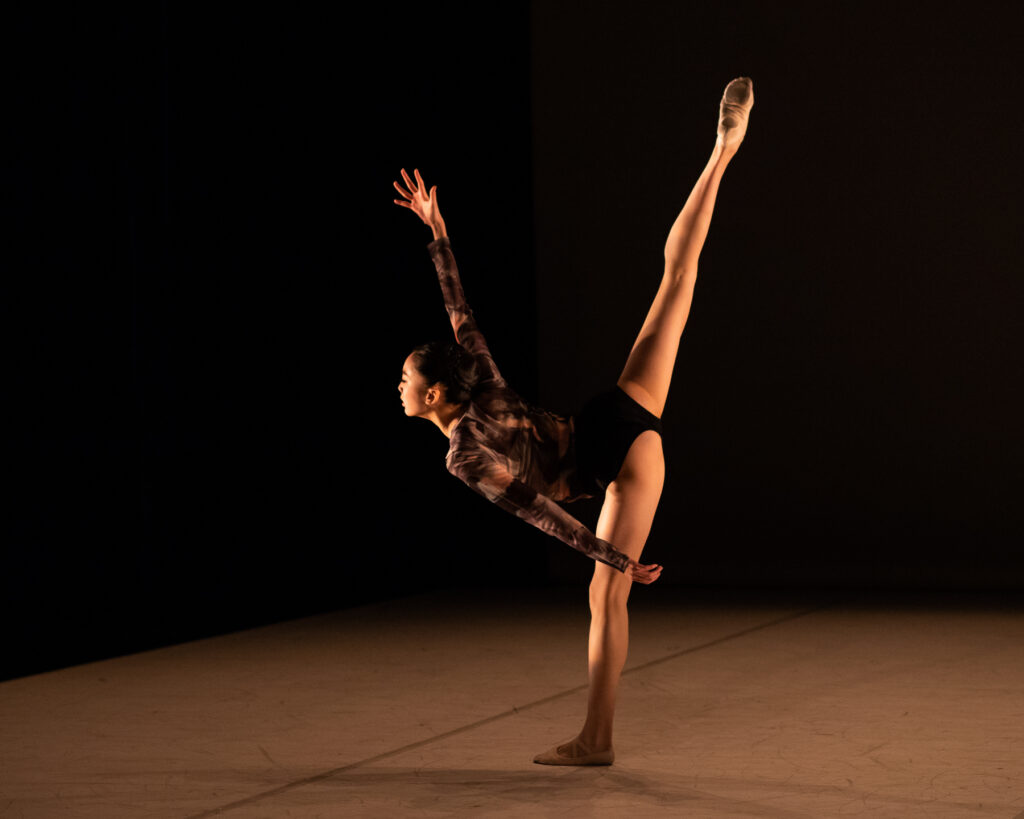
Photo by Andrea P. Merlo
At that time, movement anatomy had been taught for decades at the high school of the Hungarian Dance College. The first textbook for this subject was prepared by Endréné Dudich. Later, the need arose for the movement anatomy course to serve as a kind of introduction to movement biology and health education, which were later integrated into college and eventually university-level teaching. As Dr. Ferenc Mády also notes, the first medically oriented educational work was published in the mid-1970s by Dr. Mihály Nemessuri, a professor at the University of Physical Education. This textbook covered anatomy only in broad outlines and primarily provided physiological knowledge. In its approach, dancers were evaluated on the same basis as athletes. Dr. Ferenc Mády’s Movement Biology was published in 1995.
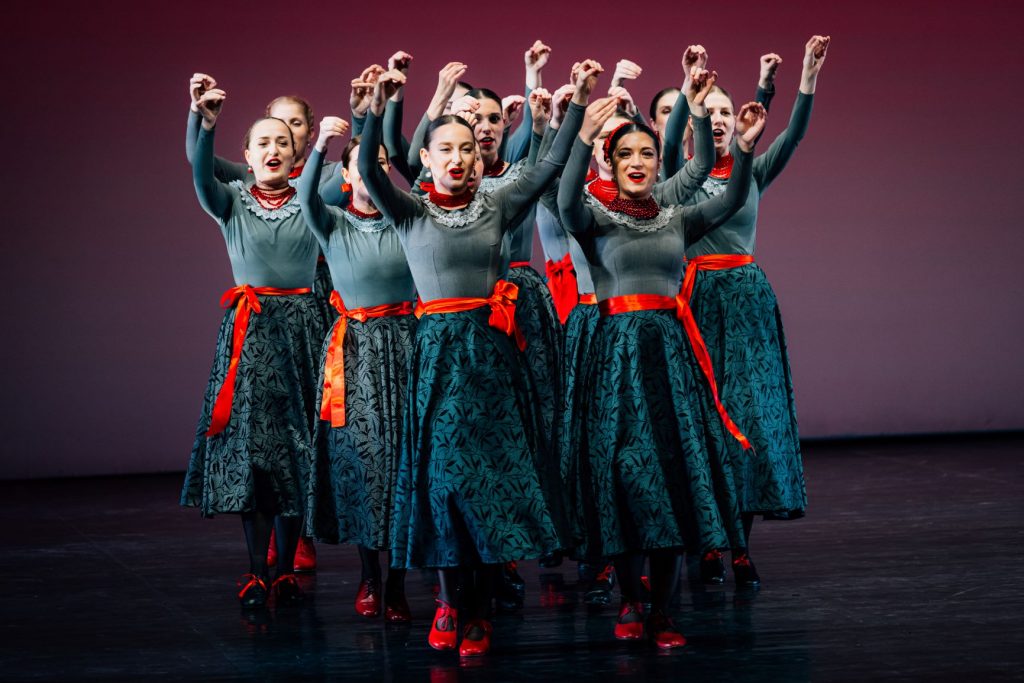
Photo by Pál Csillag
This brief historical overview perhaps highlights that there has long been a need to provide dancers with proper education and preparation for a profession that is physically demanding. Today, the Movement Biology course is taught by several instructors at the Hungarian Dance University, each bringing a different perspective:
- Csilla Almásy (physiotherapist, spine specialist)
- Dr. Gabriella Branstetter (anesthesiology–intensive care specialist, sports and general medicine physician, therapy dog handler)
- Bence Szabó (human kinesiologist)
- Dr. Melinda Szitt (ballet master)
- Enikő Török (physiotherapist)
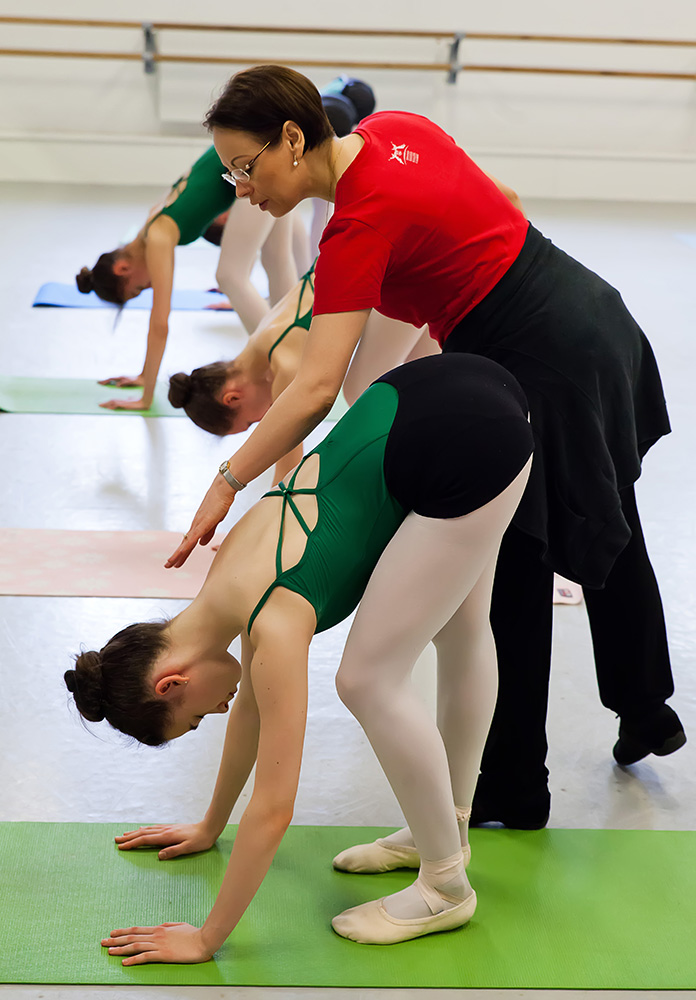
We first spoke with ballet master Dr. Melinda Szitt, who is directly connected to the dance profession, and Dr. Gabriella Branstetter, who also earned her degree at the Hungarian Dance University, about the importance of movement biology.
Since January 2022, Gabriella Branstetter has been a part-time lecturer at the Department of Pedagogy and Psychology at the Hungarian Dance University, where she teaches Movement Biology. She primarily works as a physician and has always been interested in exploring the limits of the human body’s functioning and capacity across all her fields of expertise.
Ballet master Melinda Szitt has been teaching at the Hungarian Dance University since 2010. In her early years, she focused on skills development, and later she taught classical ballet, skills development methodology, and classical ballet methodology in English to international students. Szitt Melinda explained that in teaching methodological courses, health preservation and the development of body awareness are particularly important to her, which she conveys through appropriate exercises and the accompanying mindset.
“My work is greatly supported by the expertise of my colleagues who teach movement biology, as they provide the anatomical and physiological foundations to students before they begin the methodological courses.”
When asked why the Movement Biology course was originally introduced at the Hungarian Dance University, Melinda Szitt confirmed:
“Knowledge of movement biology is indispensable for a prospective dancer: it helps students understand the structure of their own bodies, how they function biomechanically, and the physiological processes and lifestyle habits that, when applied consciously, can enhance their performance. This knowledge is equally crucial in teacher training, as guiding students’ development in a safe and effective way, appropriate to their age, carries great responsibility. A solid foundation in anatomy and physiology is essential for students’ abilities to fully develop, for their performance

Dr. Gabriella Branstetter added an important medical perspective, highlighting the following:
“Movement biology serves as a bridge between anatomical theory and ballet studio practice. A dancer must not only know how to execute a movement aesthetically, but also understand what is happening in their muscles, joints, and circulatory system during the action. This knowledge helps prevent injuries, optimize recovery, and allows future teachers to structure training according to the students’ developmental stages.”
Dr. Branstetter teaches the course over two semesters, allowing for an in-depth exploration of the subject: one semester focuses on physiology, the other on anatomy.
“In my teaching, I combine medical precision with a dancer’s perspective, as I myself completed the Dance and Rehearsal Leader BA program in Classical Ballet at the Hungarian Dance University. Practicality is very important to me: students should not only learn Latin terms, but also understand, for example, the physiological basis of stretching, the process of muscle soreness, or how nutrition affects performance. I always keep the principles of ‘safe dance’ at the forefront.”
to improve, and for them to pursue a long, injury-free, and successful career.”
Dr. Gabriella Branstetter added an important medical perspective, highlighting the following:
“Movement biology serves as a bridge between anatomical theory and ballet studio practice. A dancer must not only know how to execute a movement aesthetically, but also understand what is happening in their muscles, joints, and circulatory system during the action. This knowledge helps prevent injuries, optimize recovery, and allows future teachers to structure training according to the students’ developmental stages.”
Photo by Andrea P. Merlo
Dr. Branstetter teaches the course over two semesters, allowing for an in-depth exploration of the subject: one semester focuses on physiology, the other on anatomy.
“In my teaching, I combine medical precision with a dancer’s perspective, as I myself completed the Dance and Rehearsal Leader BA program in Classical Ballet at the Hungarian Dance University. Practicality is very important to me: students should not only learn Latin terms, but also understand, for example, the physiological basis of stretching, the process of muscle soreness, or how nutrition affects performance. I always keep the principles of ‘safe dance’ at the forefront.”
The course taught by ballet master Melinda Szitt appears in the professional training program under the name Applied Movement Biology. The subject covers the anatomical foundations and the practical application of biomechanical principles characteristic of dancers, supporting students in their own physical development.
“In teacher training, I teach the methodology of skill-development exercises tailored to different age groups and year levels as part of the gymnastics and skills-development course. My focus as an instructor is on prevention, developing body awareness, and building a versatile dancer’s body. Accordingly, the main topics of the course include warm-up and cool-down methods, the concept and practical application of spiral dynamics, foot strengthening, methods and practice of strengthening and stretching, and endurance training and its techniques.”
Finally, it is also worth asking how interested students – the young dancers – are in the course. Do they recognize that science can provide answers that significantly support their growth? Gabriella Branstetter responded enthusiastically, noting that students show a strong interest in the subject.
“I see that students are increasingly seeking science-based answers. Interactive discussions often arise during class, where they ask about their own experiences or injuries. Many want to write their theses under my supervision. It seems to be becoming widely understood that knowledge of movement biology is not ‘dry science,’ but a toolkit that helps them better understand themselves and, later, their future students. Fortunately, I teach the course together with my therapy and service dogs, so alongside the science, there’s always time for a bit of dog interaction. I believe this allows me – and my excellent colleagues – to teach perhaps the most popular course in the theoretical block. The highest praise from students is that, by the end of their first year, they ask for an additional year of this subject.”
Given its popularity, there will not only be another year but also another article about this course. To be continued…