

Launched in 2023, the Budapest Ballet Grand Prix (BBGP) has, in just four years, established itself as one of Europe’s leading professional ballet competitions, as this year’s entry numbers clearly demonstrate. The 2026 edition will take place from 15 to 19 November. Márta Fodor-Molnár, Chair of the Organising Committee, Professor and Rector of the Hungarian Dance University, believes that the work invested in developing the competition over recent years by the organisers and the university community is now beginning to pay off in a very visible way.

How pleased were you to see international entries coming in week after week, not just from students at the host institution, but from all corners of the world?
The members of the Organising Committee and I were genuinely delighted. When we began planning this competition five years ago, which is now reaching its fourth edition, our goal was clear: to make the Budapest Ballet Grand Prix a key pillar of the Hungarian Dance University’s international brand-building strategy.
When we saw that this year’s competition had attracted more than 200 entries from 41 countries, I felt, for the first time, that our hard work was beginning to pay off.
I am truly enthusiastic, because I believe this prestigious event is doing a significant amount to raise the international profile of both the university and Hungarian dance. As the organisers of this international competition, we welcome a great many talented young dancers from all over the world through the BBGP, while inviting internationally acclaimed artists, choreographers and company directors to serve on the jury.
When visitors have the opportunity to discover the Hungarian Dance University’s facilities, meet its talented students and outstanding faculty, and take part in an international conference, we receive a great deal of positive feedback afterwards. Moreover, the figures speak for themselves. This is reflected not only in the level of interest in this year’s competition, but also in the university’s own data, including its facilities, student enrolment and distinguished faculty, as well as the fact that 90% of the dance professionals who graduate from the university find a job.

Photos by Andrea P. Merlo
How much does this international environment benefit the Hungarian participants?
Everyone would like to compete in the BBGP, but we have to limit the number of participants. Just as with international applicants, the Hungarian candidates go through a strict selection process. However, those who haven’t made it into the competition this time still come along as spectators or volunteers because they want to be part of the event. The Budapest Ballet Grand Prix is also an important meeting point, where attendees can connect with jury members, young dancers from other countries and their teachers, and meet different approaches and perspectives. It gives them a chance to see where others stand, and I firmly believe this is very important. For those who are selected, preparing for the competition and working together is a wonderful experience and an opportunity to develop. And, as previous editions have shown, many participants receive scholarships, opportunities to attend courses, and even job offers through the BBGP.
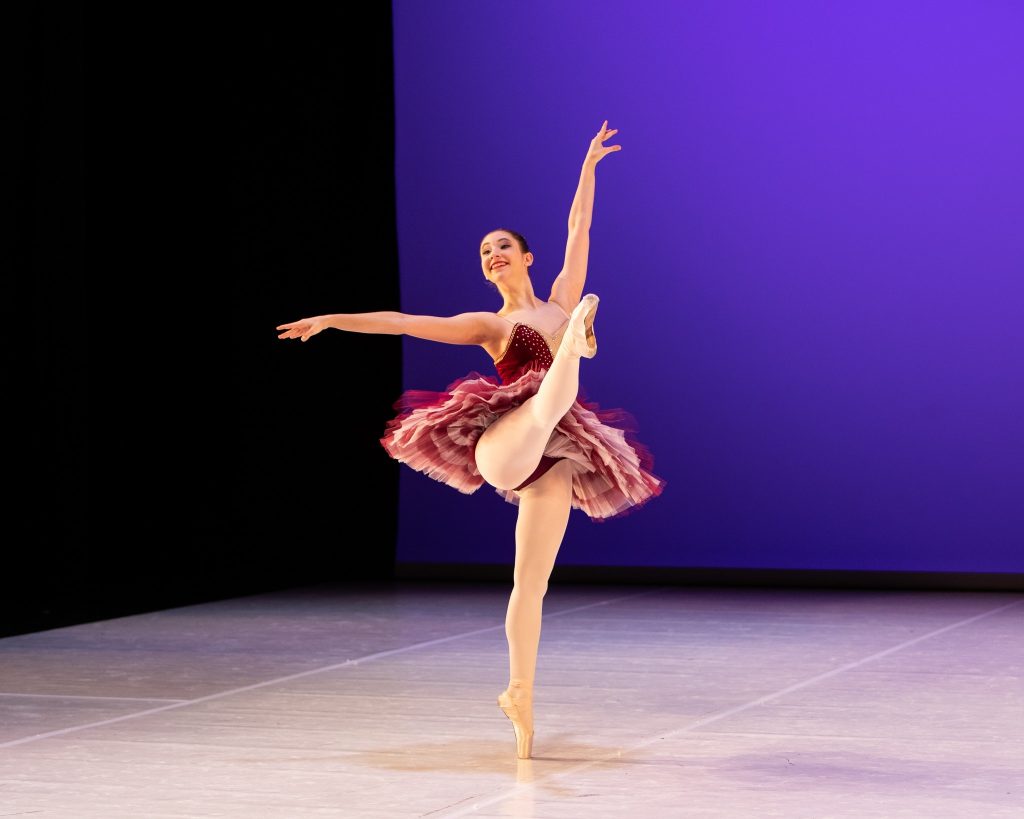
Do the university’s faculty and Hungarian dance as a whole benefit from the BBGP?
For the faculty, preparing their students to compete at the highest international level is a major challenge. Throughout this process, and during the competition itself, it is important for everyone to understand the current international standard. We also need to recognise that, during these few days, Hungarian dance is firmly put on the international dance map. The Prix de Lausanne has perfected this approach, but we are making progress, too.
All further details and information will be revealed next Thursday, when the BBGP Organizing Committee holds a press conference at one of the competition’s prominent venues, the lobby of the National Dance Theatre, starting at 11 a.m.
The full interview with Márta Fodor-Molnár, along with several other interesting interviews and greetings, will be published in a special edition of Táncművészet next week, on the occasion of the press conference. The publication will also serve as the BBGP programme booklet.