
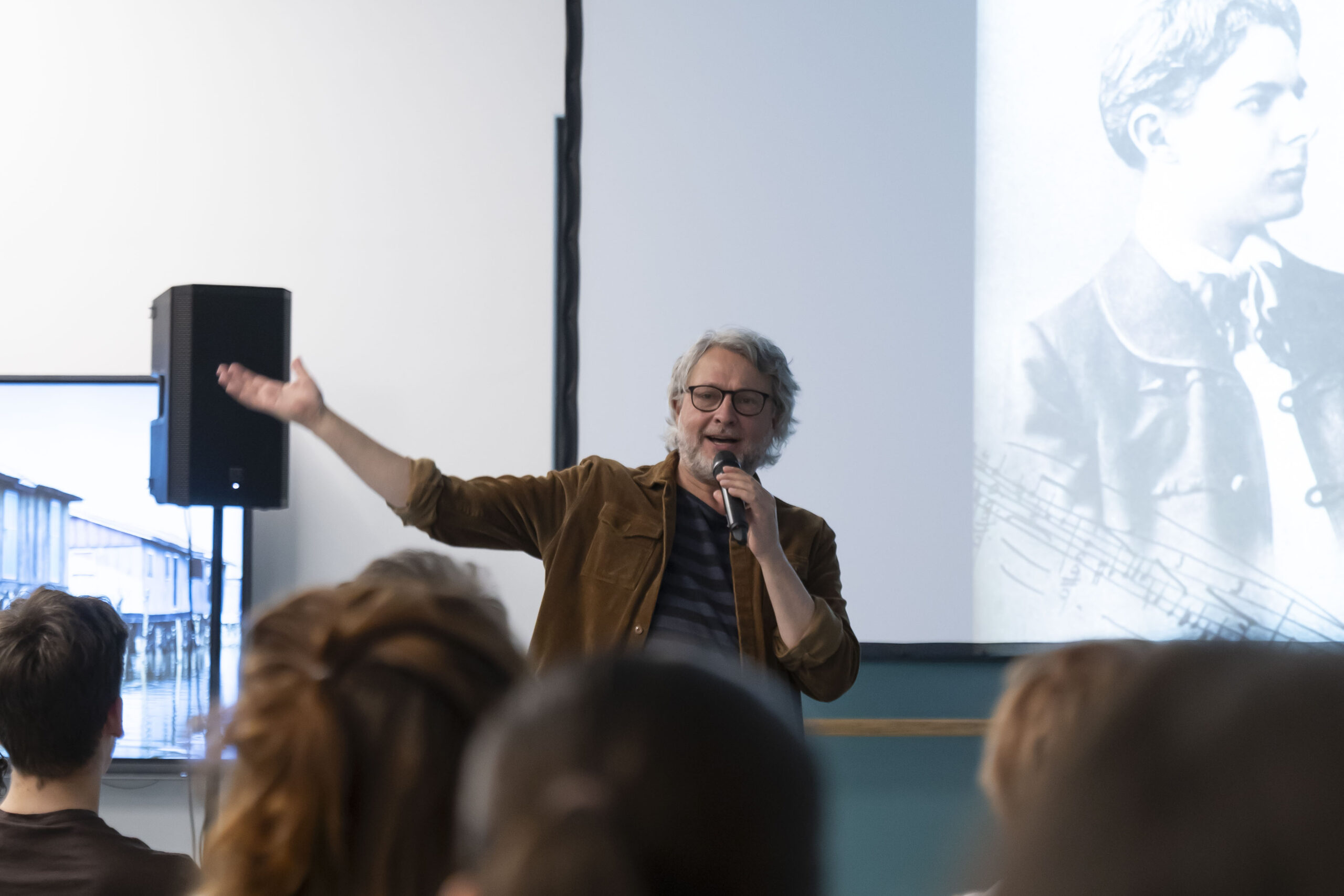
The fourth part of the lecture series “Explorations in Art Theory” took place on the afternoon of May 8, 2026, organized by the Department of Art Theory at the Hungarian Dance University (HDU) in the Zórándi Hall of Building D. The lecture was presented by music historian Ádám Bősze.
The lecture titled The Russian Ballet began with a comprehensive introduction to cultural history, in which the speaker explored the fascinating connections between dance, music history, and fashion. In his analysis, he traced the influence of ballet on clothing styles from the ballet shoes of Louis XIV to the era of Coco Chanel, highlighting how stage aesthetics shaped everyday fashion. He also drew parallels with the attire of Wolfgang Amadeus Mozart, Ludwig van Beethoven, and Béla Bartók in discussing the evolution of everyday dress.
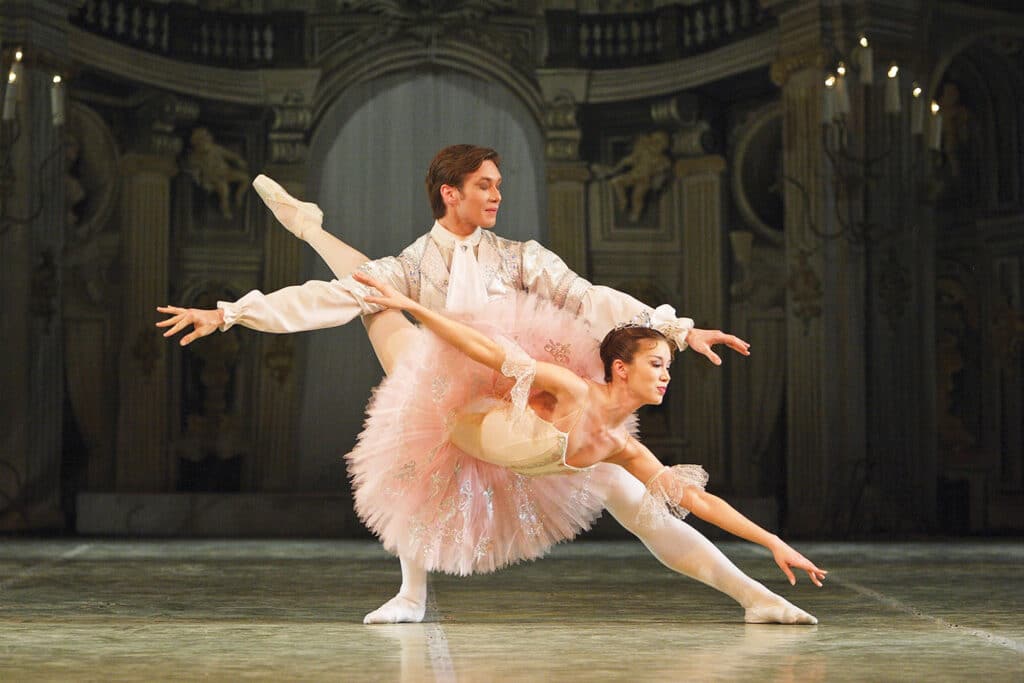
Photo by UGA Today
In connection with The Russian Ballet, the lecture also discussed major productions whose reviews appeared in contemporary fashion magazines. These articles contributed to the popularity of the works and to the growing reputation of the Ballets Russes, established by Sergei Diaghilev, while also influencing the development of fashion through the performers’ costumes.
The presentation further explored the ballets from Igor Stravinsky’s Russian period, along with several other landmark works. Special attention was devoted to Jeux by Claude Debussy, which, beyond its significance in music and dance history, also introduced an innovative direction in contemporary sporty, tennis-inspired fashion. Another fascinating example was Parade by Erik Satie, for which Pablo Picasso designed the costumes and stage sets, further strengthening the dialogue between different artistic disciplines.
Through its rich examples and insightful connections, the lecture vividly demonstrated how the histories of dance, music, and fashion are intricately intertwined. The audience had the opportunity to take part in an inspiring and thought-provoking event that opened up new perspectives on understanding the relationships between the arts.
Cover photo by Lili Várhegyi